
A good restaurant menu does more than list food and prices. It helps guests choose without asking them to study the page like an exam.
Lunch, dinner, and drinks sections each need a different structure because people order differently at noon than they do at night.
Good restaurant menu tips are really about timing, clarity, value, and trust.
Start With A Menu That Feels Like Your Restaurant
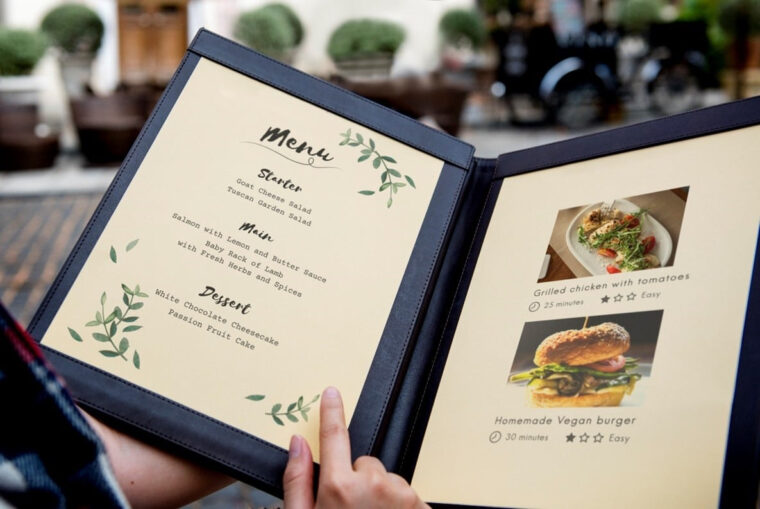
Before you divide the menu into lunch, dinner, and drinks sections, look at the identity of the place. Is it casual, family-friendly, modern, fast-service, or more polished? The menu should match that feeling through layout, section names, fonts, and detail. Guests may not talk about branding, but they notice when the menu feels disconnected from the restaurant.
This is also where small visual decisions matter. A clear name, consistent heading style, and simple logo can make the whole menu feel more professional.
If you are still shaping that identity, a text logo maker can help you test a clean word-based logo before printing or publishing online.
A plain, tidy menu is better than a crowded one trying to prove too much.
Give Lunch A Clear, Fast Structure
Lunch guests are often practical. Some are on a work break, some are meeting quickly, and some just want to eat without asking five questions. That is why lunch should be easy to scan. Keep the section focused on quick plates, lighter meals, filling mains, sides, and lunch-friendly drinks. If you offer lunch combos, place them where people see them immediately.
Lunch guests ask: “What can I order now that fits my time, appetite, and budget?” Your menu should answer that fast. Mention if a dish is smaller, made for sharing, vegetarian, spicy, or slower to prepare. Those details reduce confusion and save servers from repeating the same explanations all day.
Useful lunch menu basics:
- Keep similar dishes close together
- Show combo prices clearly
- Limit repeated ingredients across too many items
- Make quick items easy to spot
Make Lunch Choices Easy To Compare
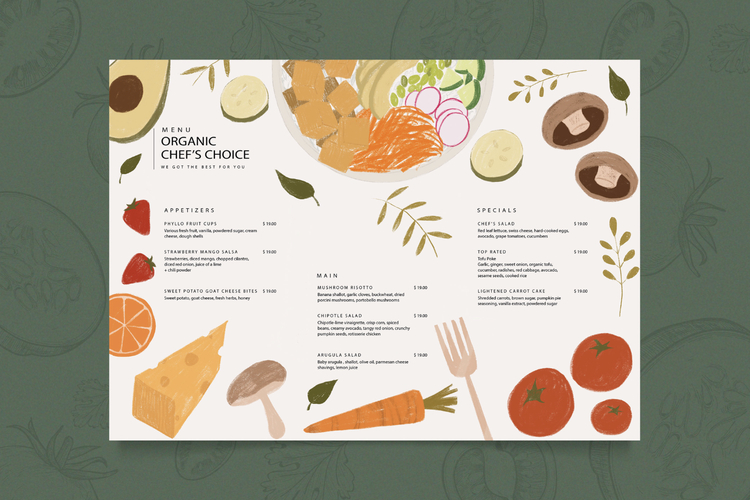
It needs clear choices that feel different from one another. If you have three chicken dishes that all look almost the same, guests will slow down and compare tiny details. One grilled option, one crispy option, and one lighter option usually make more sense than three versions competing for attention.
| Lunch area | Guest expectation | Menu tip |
| Quick plates | Fast and reliable | Mark dishes that leave the kitchen quickly |
| Light meals | Fresh and not too heavy | Add protein options and portion notes |
| Filling mains | Better value and comfort | Keep descriptions direct |
| Lunch drinks | Easy add-ons | Place them near lunch offers |
Then check pricing. Lunch guests notice value quickly, so confusing price gaps can make them hesitate.
Let Dinner Feel More Complete
People may order starters, mains, sides, desserts, wine, cocktails, or coffee. It means the order should feel natural. Start with small plates or appetizers, then mains, sides, desserts, and drink suggestions where they fit.
Dinner descriptions can carry more detail than lunch descriptions, but they still need discipline. Explain the main ingredient, cooking method, sauce, side, and any strong flavor. Clear writing builds confidence. Pick only a few signature dishes to highlight. When half the dinner menu is “special,” the word stops helping.
Important menu rule: a dish description should help the guest choose, not force the server to translate it.
This is where many restaurants lose people. A dinner menu should feel confident, not complicated.
Treat Drinks As Their Own Decision Path
Drinks sections often become messy because restaurants keep adding items without removing anything. One seasonal cocktail stays, three wines get added, two beers change, and suddenly the drinks list feels longer than the food menu.
Guests do not usually browse drinks fully. They first look for a type: wine, beer, cocktails, soft drinks, coffee, or something alcohol-free.
Make that search easy. Group cocktails separately from classics when you have house creations. Divide wine by sparkling, white, rosé, red, and dessert wine if the list is long enough. Keep non-alcoholic drinks visible, not hidden at the bottom like an afterthought. Also, connect drinks to food.
Lunch needs practical drinks. Dinner can support pairings, premium choices, and slower ordering. A strong drinks section should increase average spend without making guests feel pushed.
Use Menu Engineering Without Making It Obvious
Menu engineering sounds complicated, but the practical version is not scary. Look at which items sell well, which bring healthy profit, and which deserve better placement. A popular, profitable dish should not be buried in the middle of a crowded page. A slow-selling item with weak margins probably should not take prime space just because it has always been there.
Still, be honest with the guest. Do not highlight a dish only because it is profitable if the kitchen does not execute it well. Promote items that make sense for both the business and the diner.
Use small visual cues, such as a box or short label, but do not decorate every second item. Too many highlights make the menu noisy, and noisy menus make people tired.
Final Thoughts
Better restaurant menu sections come from understanding how people order. Lunch needs speed, value, and simple choices. Dinner needs flow, detail, and confidence.
Drinks need clean categories and smart placement. Before adding more items, ask whether the menu is making decisions easier. If it is not, start with structure, remove clutter, and give your best dishes the space they deserve.
Frequently Asked Questions
A restaurant should review its menu at least once every season, but that does not mean changing everything four times a year. Look at sales reports, food cost, guest feedback, and kitchen speed first. If a lunch item sells poorly and slows the line, it may need to go.
Yes, especially for common allergens and popular dietary needs. Guests should not have to guess whether a sauce contains nuts, dairy, gluten, shellfish, or eggs. Clear icons, short notes, or a separate allergen guide can make ordering safer and more comfortable.
Photos can help, especially on online menus, delivery menus, and casual lunch menus where guests want to decide quickly. The catch is quality.
A bad food photo can make a good dish look weak, so use fewer photos and make sure they show the real portion, plating, and ingredients. For dinner menus, photos are not always needed, especially if the restaurant wants a cleaner layout. If you use them, keep them consistent across the menu.