
Running a professional kitchen is akin to orchestrating a symphony; each element must harmonize to produce a flawless dining experience. Efficiency is paramount, as it directly influences food quality, service speed, staff satisfaction, and overall customer experience. A kitchen that functions smoothly not only delivers exceptional meals but also maintains a safe and motivating work environment for the team. Below are key strategies to enhance the efficiency of your kitchen operations.
1. Optimize Kitchen Layout
An efficient kitchen layout minimizes unnecessary movement and streamlines workflows. Positioning the sink, stove, and refrigerator strategically reduces travel time between these essential areas. Organizing the kitchen into designated zones for preparation, cooking, and plating ensures that each task is performed in its optimal space, reducing congestion and enhancing both speed and safety. Storage areas should be clearly labeled and designed for easy access, so staff can retrieve ingredients and tools quickly without disrupting the flow of the kitchen. Even small adjustments to the layout can make a significant difference during busy service periods.
2. Implement Mise en Place
The French culinary principle of mise en place, meaning “everything in its place,” is fundamental in professional kitchens. Preparing and organizing all ingredients and tools before service allows chefs to work efficiently and respond swiftly to orders. This practice reduces errors, prevents bottlenecks during peak hours, and ensures consistency in food preparation. Mise en place also promotes mental clarity; when everything is prepped and organized, chefs can focus entirely on the execution of each dish rather than scrambling to locate items mid-service.
3. Invest in Quality Equipment
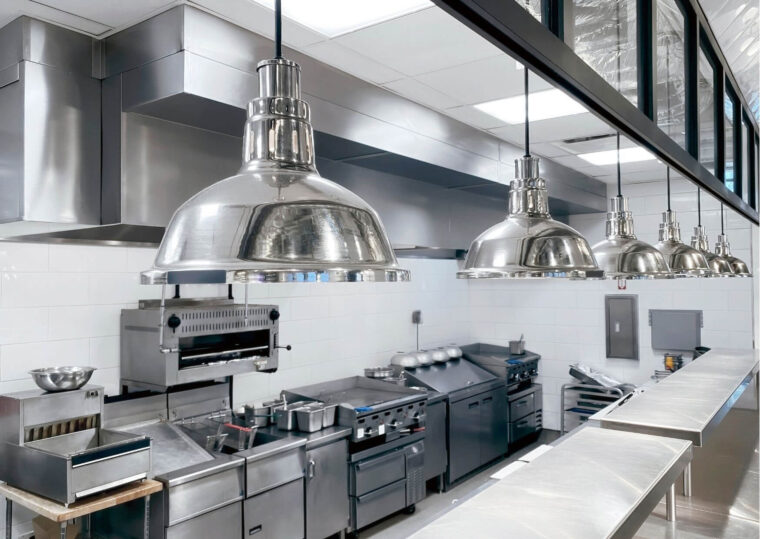
High-quality kitchen equipment improves cooking performance and reliability. Durable appliances and utensils reduce the frequency of breakdowns, which can disrupt operations and slow down service. Investing in professional-grade tools such as knives, ovens, mixers, and refrigeration units ensures long-term efficiency and cost savings.
Additionally, scheduling regular maintenance for equipment prevents unexpected failures and keeps machines operating at peak performance. Choosing ergonomic and easy-to-clean tools also reduces physical strain on staff and enhances overall workflow.
4. Prioritize Staff Training
A well-trained team is essential for maintaining kitchen efficiency. Training should cover kitchen protocols, safety standards, proper equipment use, and techniques for preparing menu items consistently. Cross-training employees in multiple roles increases flexibility, allowing staff to step in and assist at different stations during busy periods. Ongoing professional development also boosts morale and creates a more adaptable workforce, capable of handling unexpected challenges without slowing down service.
5. Maintain Cleanliness and Organization
Cleanliness is critical for both efficiency and safety. Implementing a “clean as you go” policy keeps workstations tidy, reduces clutter, and prevents cross-contamination. Designated storage for tools, ingredients, and cleaning supplies ensures that everything is easy to find, reducing wasted time searching for items. Organizing the kitchen logically and consistently also supports staff in maintaining high hygiene standards while minimizing accidents and delays during busy service hours.
6. Streamline Inventory Management
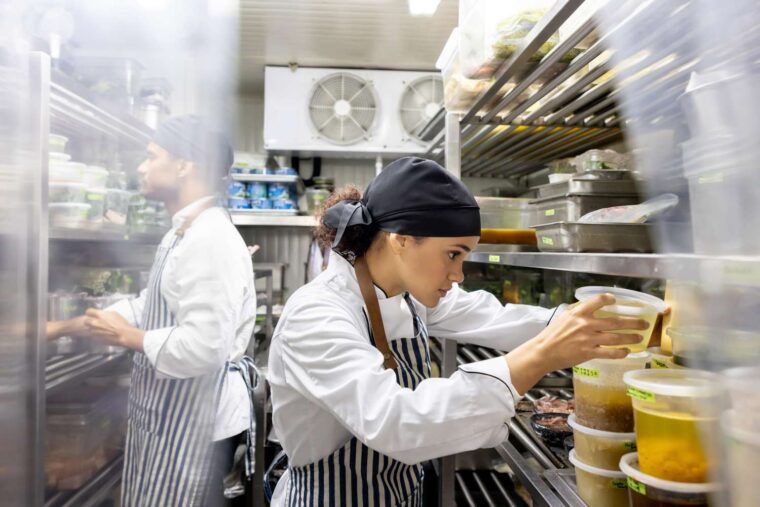
Effective inventory management prevents shortages and overstocking, both of which can disrupt kitchen operations. Implementing inventory control systems allows for real-time tracking of stock levels, making it easier to reorder supplies before they run out.
Following the FIFO (First In, First Out) method ensures ingredients are used in the order they were received, maintaining freshness and reducing spoilage. Maintaining detailed inventory records also provides insight into consumption patterns, helping managers plan for peak periods and seasonal menu changes.
7. Enhance Communication
Clear communication among kitchen staff is critical for smooth operations. Using kitchen display systems, two-way radios, or standardized order sheets helps transmit instructions accurately and quickly. Establishing standard operating procedures for routine tasks ensures that everyone understands their responsibilities and minimizes confusion. Regular team briefings before service also allow staff to discuss potential challenges, special orders, or menu changes, promoting collaboration and efficiency.
8. Design Efficient Workflow
Designing a logical workflow is essential for maintaining productivity during service. Grouping similar tasks together, such as chopping vegetables or assembling dishes, reduces transition times and allows staff to focus on specific responsibilities. Implementing batch cooking for frequently used ingredients during prep time can accelerate service during peak hours. Workflows should be evaluated regularly to identify bottlenecks, and adjustments should be made to accommodate staff strengths, menu demands, and kitchen layout changes.

9. Build a Positive Work Environment
A supportive and positive work environment enhances both morale and efficiency. Encouraging teamwork, acknowledging individual achievements, and providing opportunities for professional growth contribute to a motivated and engaged staff. Positive communication and mutual respect help reduce stress and minimize conflicts, allowing the team to focus on delivering high-quality service. Staff who feel valued are more likely to take initiative and maintain consistent performance, even during high-pressure periods.
10. Utilize Technology
Technology can be a powerful tool for improving kitchen efficiency. Kitchen management software assists with inventory tracking, shift scheduling, and order management. Digital recipe databases and cooking timers standardize preparation and cooking processes, ensuring consistency and reducing errors. Integrating point-of-sale systems with kitchen displays can streamline communication between front-of-house and back-of-house staff, improving the speed and accuracy of service.
11. Invest in Appropriate Chef’s Clothing
Proper chefwear is not just about maintaining a professional appearance; it directly impacts comfort, safety, and efficiency. Comfortable and functional attire allows chefs to move freely and safely in the kitchen. High-quality chef hats, for instance, maintain hygiene standards by keeping hair securely in place and preventing contamination from occurring. Investing in durable and well-fitted uniforms ensures that staff can focus on their tasks without distractions. For a selection of professional chef hats, consider exploring options at Chefwear.

12. Implement Waste Reduction Strategies
Reducing waste benefits both the environment and operational efficiency. Portion control, repurposing ingredients, and composting organic waste can minimize food loss. Staff should be educated on the importance of sustainability and encouraged to take part in waste reduction initiatives. By establishing clear guidelines and monitoring results, kitchens can save costs, improve resource management, and contribute to environmentally responsible practices.
13. Monitor Performance Metrics
Tracking key performance indicators, such as order turnaround time, food cost percentages, and customer satisfaction, provides insights into the efficiency of kitchen operations. Regularly reviewing these metrics allows managers to identify areas for improvement and make informed decisions. Monitoring performance also helps to recognize high-performing staff, optimize workflows, and ensure that goals are consistently met.
14. Adapt to Changing Demands
Flexibility is essential in a professional kitchen. Being able to adapt to changing customer preferences, seasonal ingredient availability, and market trends ensures that operations remain efficient and effective. Updating menus regularly, introducing new techniques, and responding quickly to feedback keep both staff and customers engaged. A kitchen that can adjust without disruption demonstrates resilience and long-term efficiency.
15. Plan for Peak Hours
Anticipating busy periods and preparing accordingly can prevent bottlenecks. Preparing ingredients in advance, scheduling extra staff, and implementing effective service protocols help manage high demand efficiently. Proactive planning reduces stress for both staff and management, ensuring that service remains smooth even during the busiest hours. Evaluating past performance and customer patterns can further refine planning for future peak times.