
Most refrigerators need 12 to 24 hours to get cold enough for food storage.
A full-size refrigerator often reaches about 40°F in roughly 12 hours, though cooling time can vary.
Some refrigerators cool in as little as 2 hours, while others need a full day.
Size, model type, room temperature, starting temperature, door openings, food load, and appliance condition all affect cooling speed.
Safe refrigerator temperature is at or below 40°F.
An ideal refrigerator setting is usually around 37°F, while a freezer should be set to 0°F.
How Long Does a Refrigerator Take to Cool?
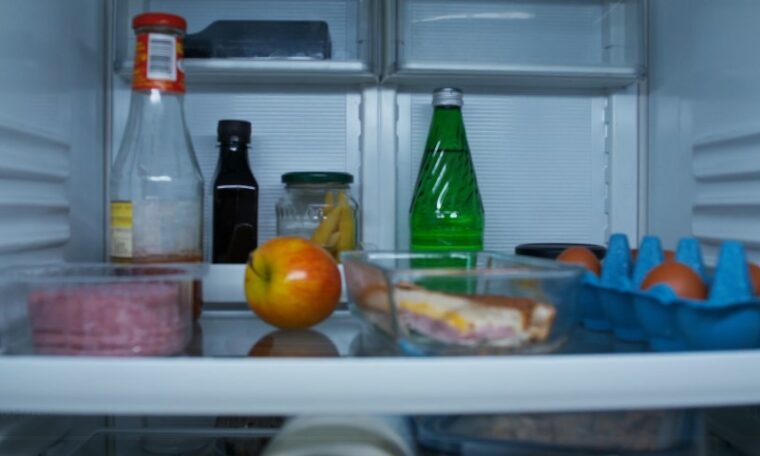
Most full-size refrigerators take 12 to 24 hours to reach a safe internal temperature.
Many refrigerators reach normal operating temperature in 8 to 12 hours, but full temperature stability can take up to 24 hours.
Cooling time varies by refrigerator type and model.
A mini fridge often gets cold in about 2 to 4 hours. Smaller refrigerators may need around 12 hours, while larger full-size refrigerators can take up to 24 hours.
A new refrigerator may need several hours to a full day before it is ready for a full grocery load.
After defrosting, some refrigerator-freezer units may need 24 hours to reach the right temperature again, especially after heavy frost buildup.
Typical cooling times include:
| Refrigerator Type | Estimated Cooling Time |
| Mini fridge | 2 to 4 hours |
| Smaller refrigerator | Around 12 hours |
| Larger full-size refrigerator | Up to 24 hours |
| New refrigerator | Several hours to 24 hours |
| After defrosting | 24 to 48 hours in some cases |
Brand and layout examples can vary widely. Some mini fridges, including models similar to Galanz, Frigidaire, and Magic Chef, may cool in about 4 hours.
Top-freezer models can range widely, with some cooling in 4 to 8 hours and others needing up to 24 hours.
Bottom-freezer models may cool in 2 to 3 hours for some LG and Samsung-style models, while Whirlpool and GE-style models may need up to 24 hours.
Side-by-side models can range between 2 hours and 24 hours, depending on brand and conditions.
French-door models can also vary, with some cooling in 2 to 3 hours and others needing a full day.
What Temperature Should a Refrigerator Be?
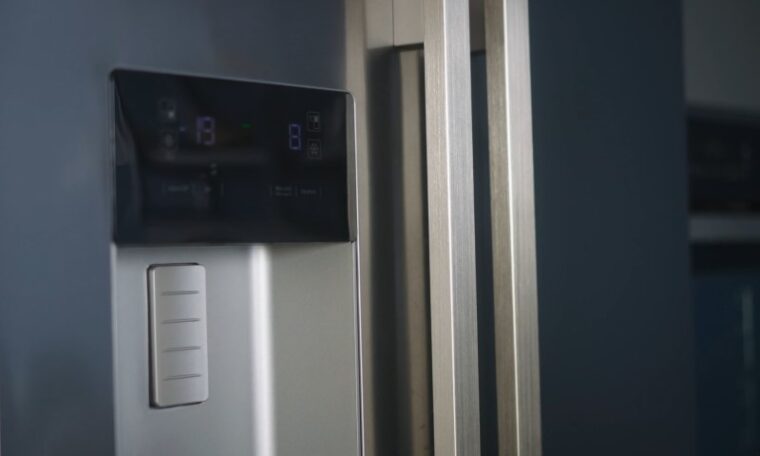
A refrigerator should be kept at or below 40°F for food safety. An ideal target is usually around 37°F.
A freezer should be set to 0°F.
Before adding a full load of groceries, wait until the refrigerator reaches 37°F or lower and the freezer reaches 0°F.
Built-in displays can help, but a refrigerator thermometer gives a more reliable check of actual internal temperature.
If your refrigerator uses numbered presets, start with the factory-recommended setting or the midpoint setting. Allow the appliance time to stabilize before making small adjustments.
Small changes are best. After adjusting the setting, give the refrigerator several hours to respond before changing it again.
When Can You Put Food in a New Refrigerator?
Perishable food should go in only after the refrigerator reaches a safe temperature.
For most new refrigerators, wait at least several hours and up to 24 hours. A full-size refrigerator should usually get a full day before adding a large grocery load.
After the recent installation, allow about 24 hours for full functionality.
Correct internal temperature, chilled water, and early ice production may all take time.
Ice production may begin once the refrigerator is fully cold.
Some ice makers can produce a batch about every 3 hours, but filling the ice bin for the first time can take up to 3 days.
If a refrigerator was moved before installation, let it settle before plugging it in.
A unit transported upright may need the same amount of time to recover, while a unit transported on its side for more than one day may need 24 hours before startup.
Avoid loading a new refrigerator right away. Warm food and heavy loading can slow the cooling process and make the compressor work harder.
What Affects How Long a Refrigerator Takes to Get Cold?
Now, let us talk about what the factors are that determine how fast the refrigerator gets cold.
Refrigerator Size and Type
Larger refrigerators usually take longer to cool because they have more interior space.
Mini fridges cool faster because they have a smaller compartment and less air to chill.
A compact unit may reach the right temperature in as little as 2 hours. A large full-size refrigerator may need up to 24 hours.
Layout can also matter. Top-freezer, bottom-freezer, side-by-side, and French-door models do not always cool at the same speed.
Room Temperature
A refrigerator placed in a warm kitchen, garage, outdoor kitchen, warehouse, or hot delivery area has to work harder.
At the same time, the refrigerator in a normal 68°F room should cool more easily than one placed in a very warm garage or outdoor area.
Very hot surroundings can overwork the system. Poor airflow around the appliance can also trap heat and slow cooling.
Door Openings
Opening the door often lets warm air enter and cold air escape. During the first 24 hours, repeated door openings can delay temperature stabilization.
Keep doors closed as much as possible while the refrigerator cools. Quick checks are fine, but frequent opening can stretch the cooling time past 24 hours.
Amount of Food Inside
View this post on Instagram
For first use, let the refrigerator cool with little or no food inside.
After the refrigerator is cold, a well-stocked fridge can hold temperature more reliably.
Food, drinks, and containers help reduce empty air space, which can make temperature swings less noticeable.
A refrigerator that is less than 3/4 full may take longer than 24 hours to stabilize.
To help stabilization, fill empty space with food, containers of water, canned goods, or boxed goods once safe cooling has started.
Avoid adding a full load of groceries before the refrigerator is cold.
A large amount of room-temperature food can raise the internal temperature and slow the process.
Appliance Condition
Appliance condition can affect cooling speed. Dirty condenser coils, blocked vents, damaged door seals, faulty parts, or age can all slow cooling.
Possible trouble areas include the thermometer, compressor, condenser fan, condenser coils, and evaporator coils.
Blocked interior vents can stop cold air circulation. Damaged gaskets can let warm air leak in. Dirty coils can make it harder for heat to leave the system.
How to Help Your Refrigerator Cool Faster
Keep doors closed as much as possible during the first 24 hours.
Set the refrigerator around 37°F and the freezer at 0°F.
Do not block interior vents. Cold air needs open pathways inside the refrigerator and freezer.
Leave a few inches of space between the refrigerator and the wall so air can circulate and the condenser coils can release heat properly.
Clean dirty condenser coils. Cleaning coils about every six months can help the refrigerator cool efficiently.
Avoid putting hot or warm food inside. Hot food raises the internal temperature and makes the refrigerator work harder.
Do not overload the refrigerator while it is still cooling. Heavy loading can slow airflow and delay safe temperature levels.
Plug the refrigerator into the proper outlet. A refrigerator should use its own outlet rather than a power strip, and the outlet voltage should match the appliance’s rating plate.
A bag or block of ice can help while the unit cools. Remove it before it melts, and keep it away from vents so airflow is not blocked.
When Should You Be Concerned?
If the refrigerator is still not cold after 24 hours, check the temperature with a refrigerator thermometer.
Contact the service if there is no sign of cooling during the first 24-hour stabilization period.
Warning signs include:
| Warning Sign | What It May Mean |
| Fridge stays above 40°F | Unsafe food temperature |
| Freezer does not reach 0°F | Freezer is not cold enough |
| No sign of cooling within 24 hours | Cooling system may not be working |
| Compressor does not seem to run | Possible electrical or compressor issue |
| Warm air inside the fridge | Poor cooling or airflow problem |
| Damaged door gasket | Warm air may be leaking in |
| Blocked vents or dirty coils | Airflow or heat release issue |
| Faulty thermometer, compressor, fan, or coils | Possible part failure |
Check easy fixes first. Make sure the refrigerator is plugged in, the outlet works, vents are clear, doors seal tightly, and temperature controls are set correctly.
If those checks do not solve the problem, service may be needed.
Summary
Most refrigerators need 12 to 24 hours to get cold.
Mini fridges may cool in 2 to 4 hours, while larger full-size refrigerators may need up to 24 hours.
New full-size refrigerators should usually get up to a full day before a full grocery load is added.
After defrosting, a refrigerator-freezer may need 24 to 48 hours to reach the right temperature again, especially after heavy frost buildup or warm room conditions.
Best way to know it is ready is to check the temperature. Refrigerator temperature should be at or below 40°F, ideally around 37°F, and freezer temperature should be 0°F.